Material notes
What Is 925 Sterling Silver?
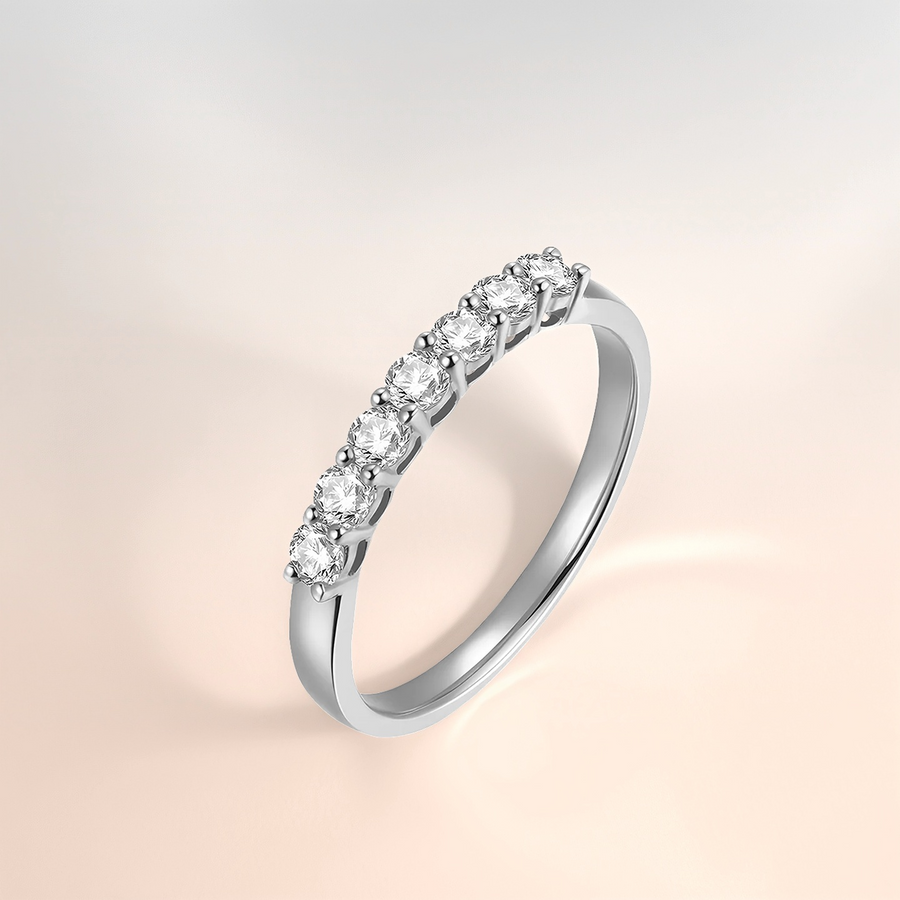
A small detail can change how a piece feels: the curve of a ring, the weight of a pendant, or the way silver catches the light. Understanding the material behind it makes choosing jewellery a little simpler.
What does 925 mean?
Sterling silver contains 92.5% silver and 7.5% other metals, commonly copper. That is where the number 925 comes from. Silver is naturally soft; combining it with other metals makes it more practical for jewellery while preserving its characteristic colour and shine.
You may see a piece described as “925 silver” or “sterling silver.” Both refer to this silver alloy. The term describes the metal, rather than the shape, finish or stones used in a design.
Sterling silver and silver plating
Sterling silver describes the underlying alloy. Silver plating describes a layer of silver applied over another material. A silver-coloured appearance alone does not tell you which one you are looking at.
A sterling silver piece can also have an additional surface finish. Read the individual product description for the base metal, plating and any stone details; these affect how the piece should be cared for.
Why can silver darken?
Silver can react with sulphur-containing substances in its surroundings, forming a surface layer called tarnish. The appearance may shift from a warm tint to a darker colour over time. Tarnish alone does not mean that a piece is not real silver, and the speed of that change varies with its environment.
Cleaning should suit the whole piece. A plain, unplated ring and a necklace with pearls or a plated finish may need different care.
Choose the piece that suits your day
Material is one part of the decision. Consider the dimensions, chain length, closure and how you want to wear it: a ring on its own, earrings with a favourite shirt, or a pendant layered with something you already love.
Explore rings and necklaces, then read our silver care guide for the everyday habits that help keep your pieces looking their best.
Further reading: GIA on silver alloys and the Canadian Conservation Institute on silver tarnish.